Summary Block
Ideas, research and visual storytelling

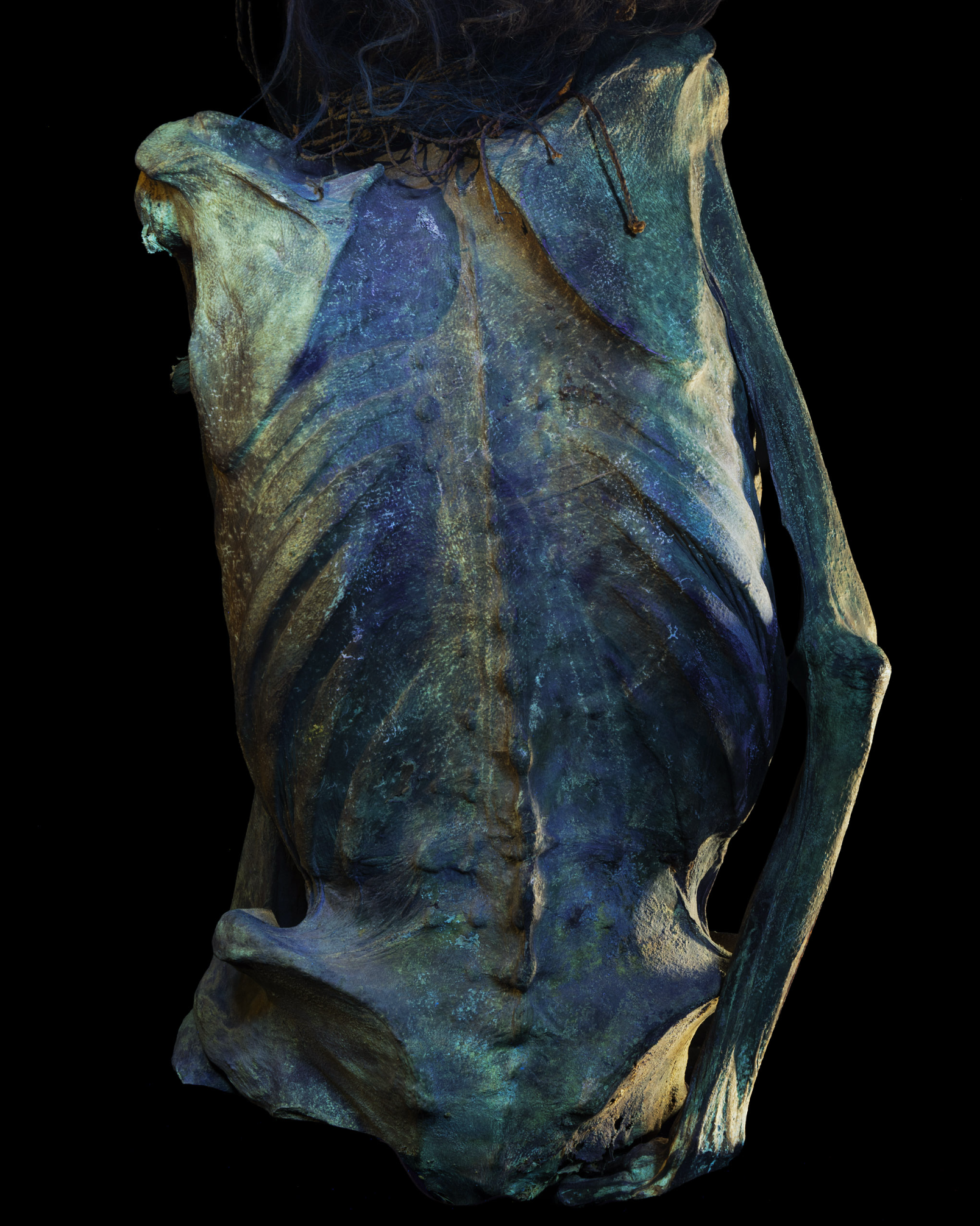
When National Geographic asked me to photograph the work of the Institute for Mummy Studies, the only research institute in the world dedicated entirely to mummies, I knew straight away that a straightforward documentary approach would not be enough. I wanted to build a visual language that could carry the weight of these ancient lives, so I thought hard about light, about texture, about how to make the invisible feel present.
One of the tools that made a real difference was the multispectral camera. Shooting beyond the visible spectrum revealed details in the mummies' skin and textiles that no standard photography could ever capture. The results were extraordinary, and honestly, quite beautiful in a way I had not fully anticipated.
Working in Bolzano with the team at Eurac Research and then travelling to Bolivia to document the mummies held at the National Museum of Archaeology in La Paz was a privilege I will not forget. As usual, to help me on the field, Manuel Montesano supported me with lighting and took care of the video component, to be seen soon. The science is genuinely groundbreaking, but beyond the science, what struck me most was the humanity of these preserved individuals.
This story appears in the July 2026 issue of National Geographic, with text by Nicola Twilley.
After years of photographing systems — from energy to extraction — I turned inward.
Genea Illogica began with dislocation: becoming a father as a relationship ended, and the search for roots where none existed.
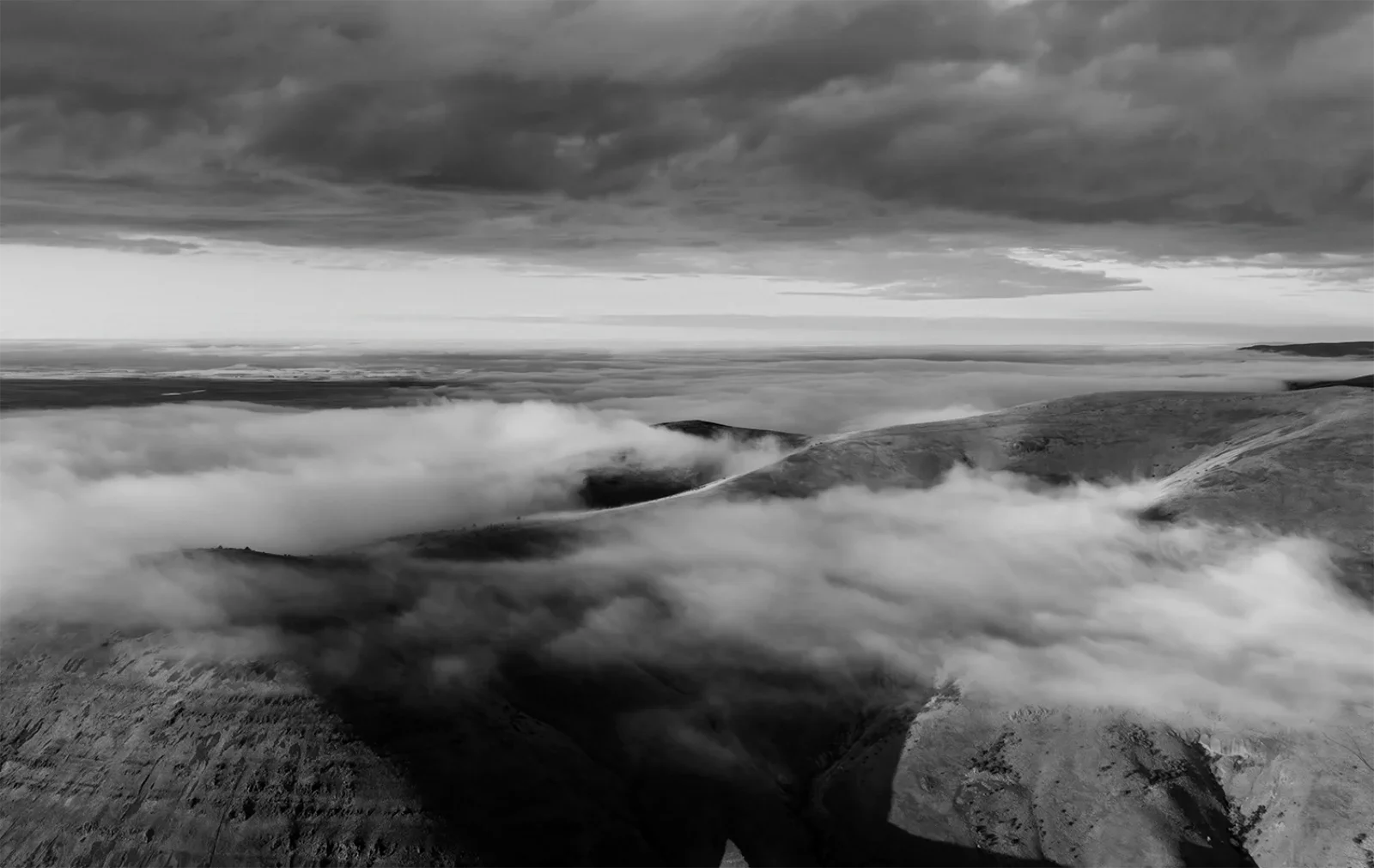
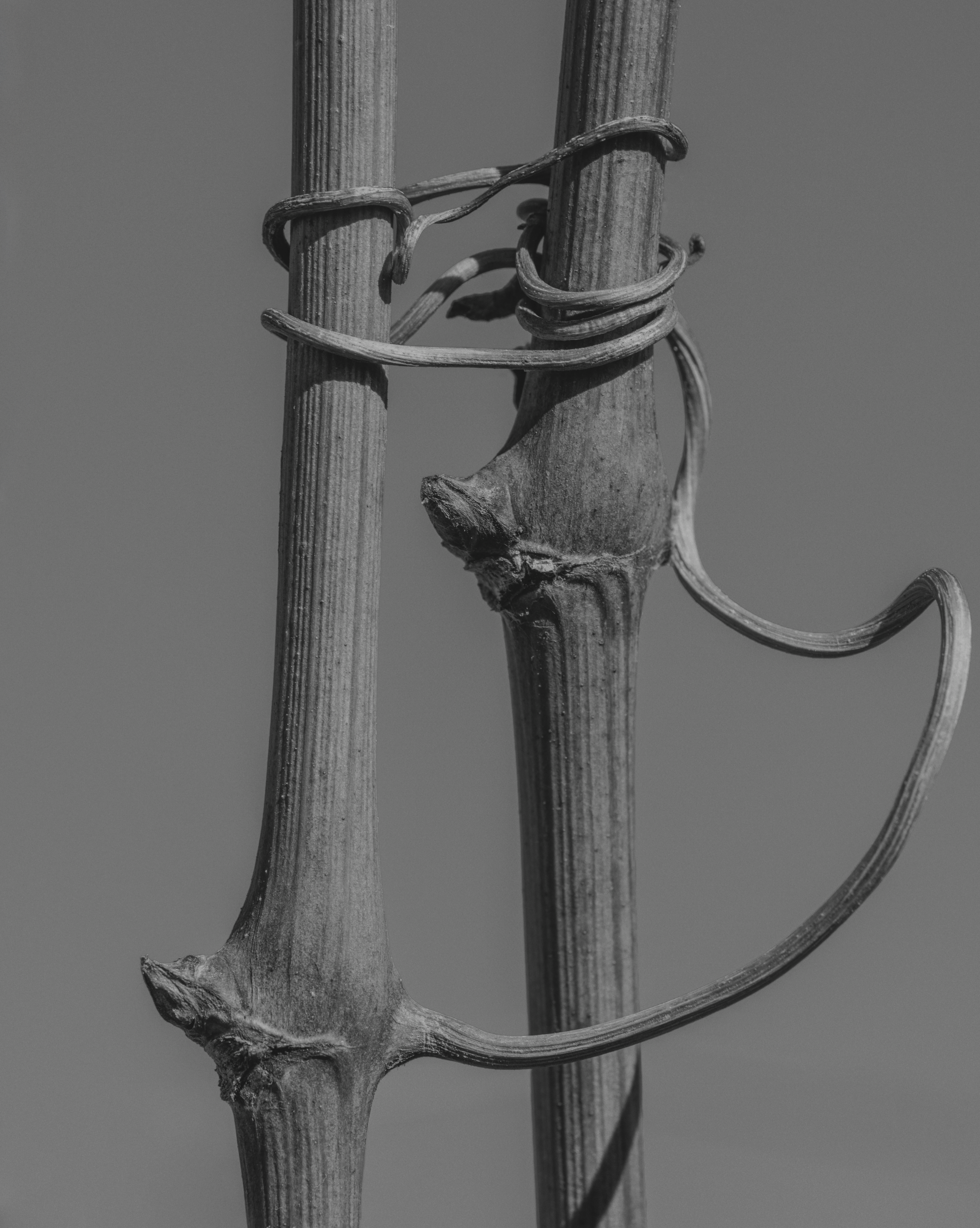
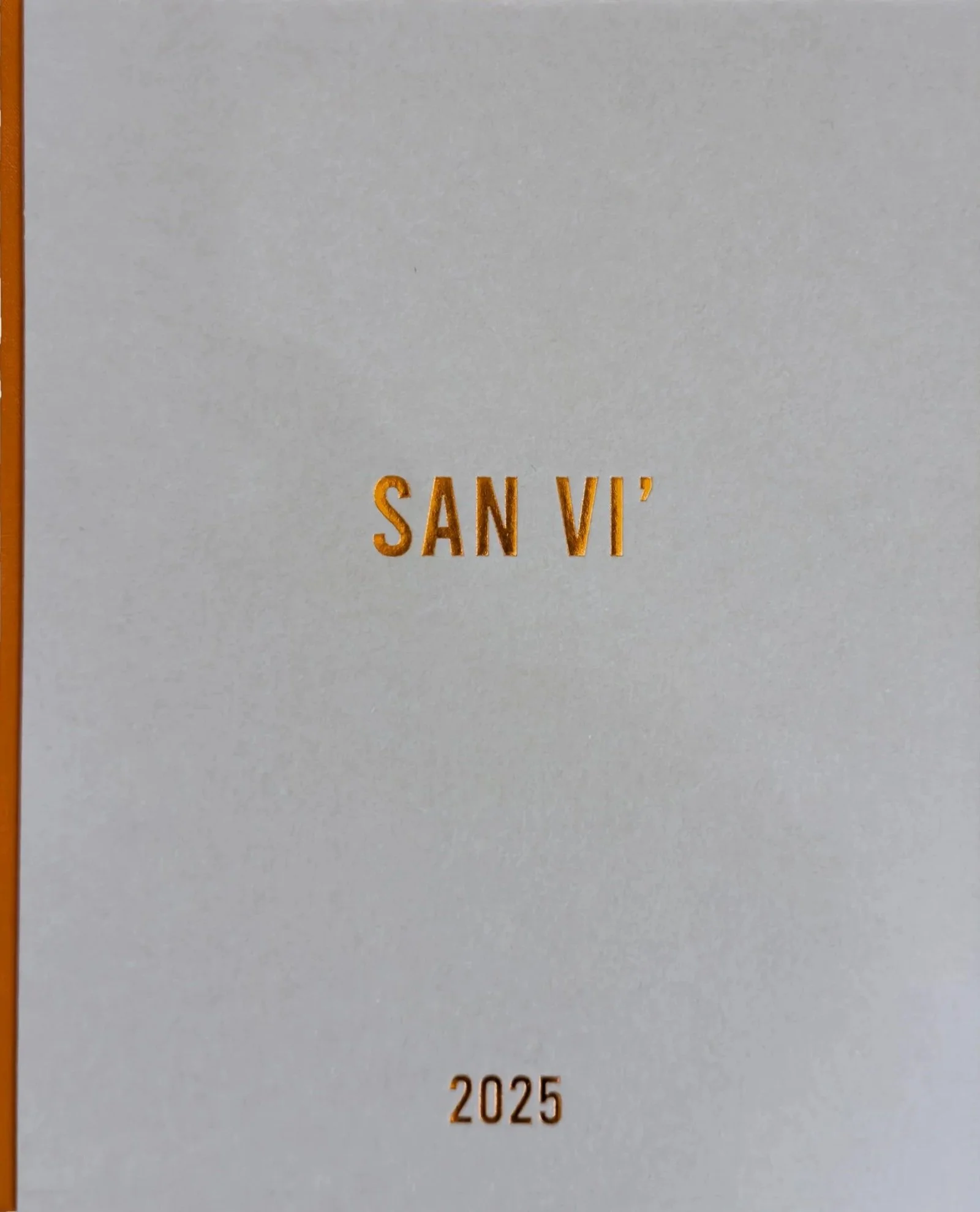
In the forests of San Vi’, between mist and silence, I found echoes of Proust’s idea that the soul is a dark forest intertwined with genealogical trees.
I had the privilege of documenting an unprecedented event in the history of the Vatican fro National Geographic: the first-ever concert in St. Peter’s Square, illuminated by Europe’s largest drone performance.
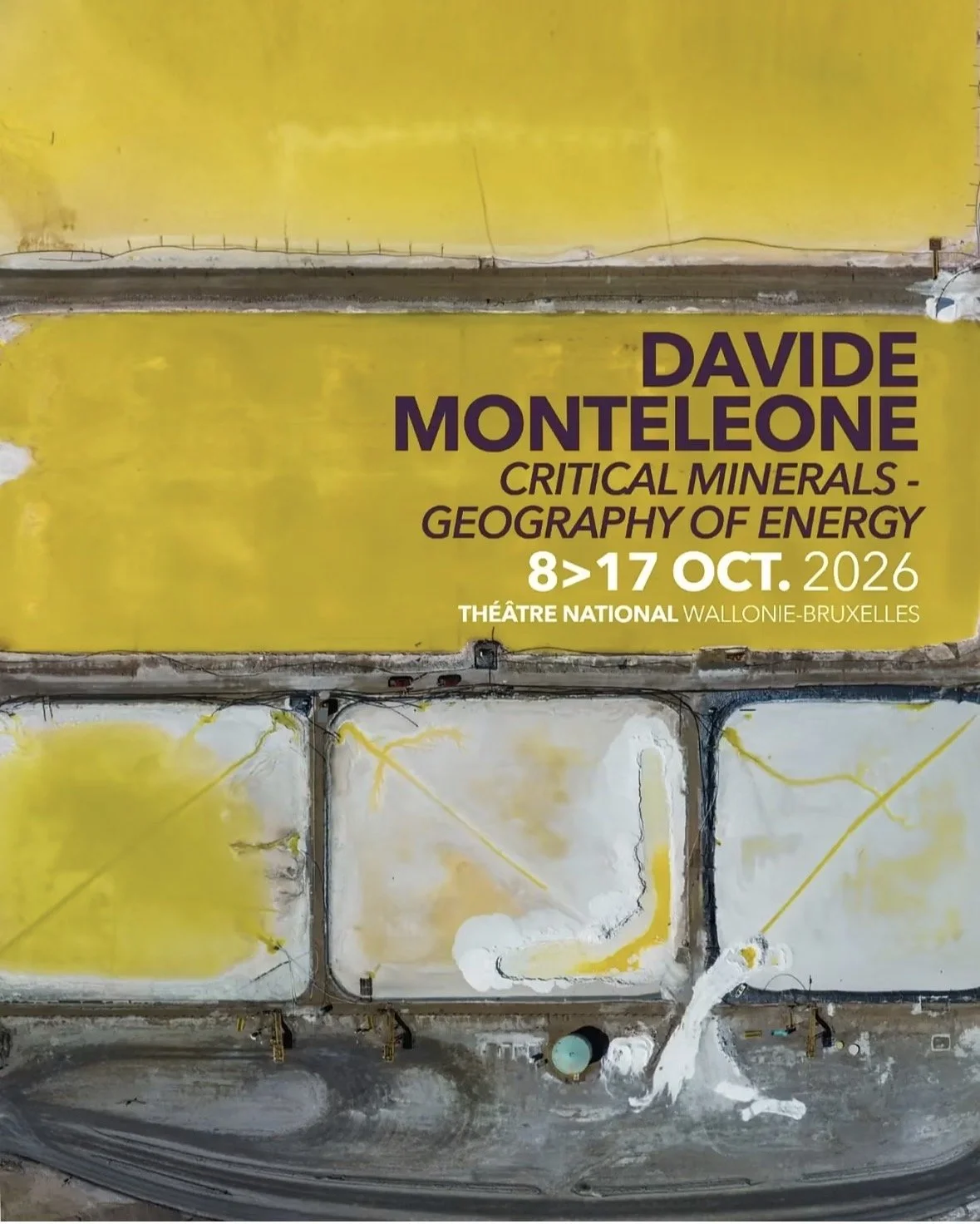
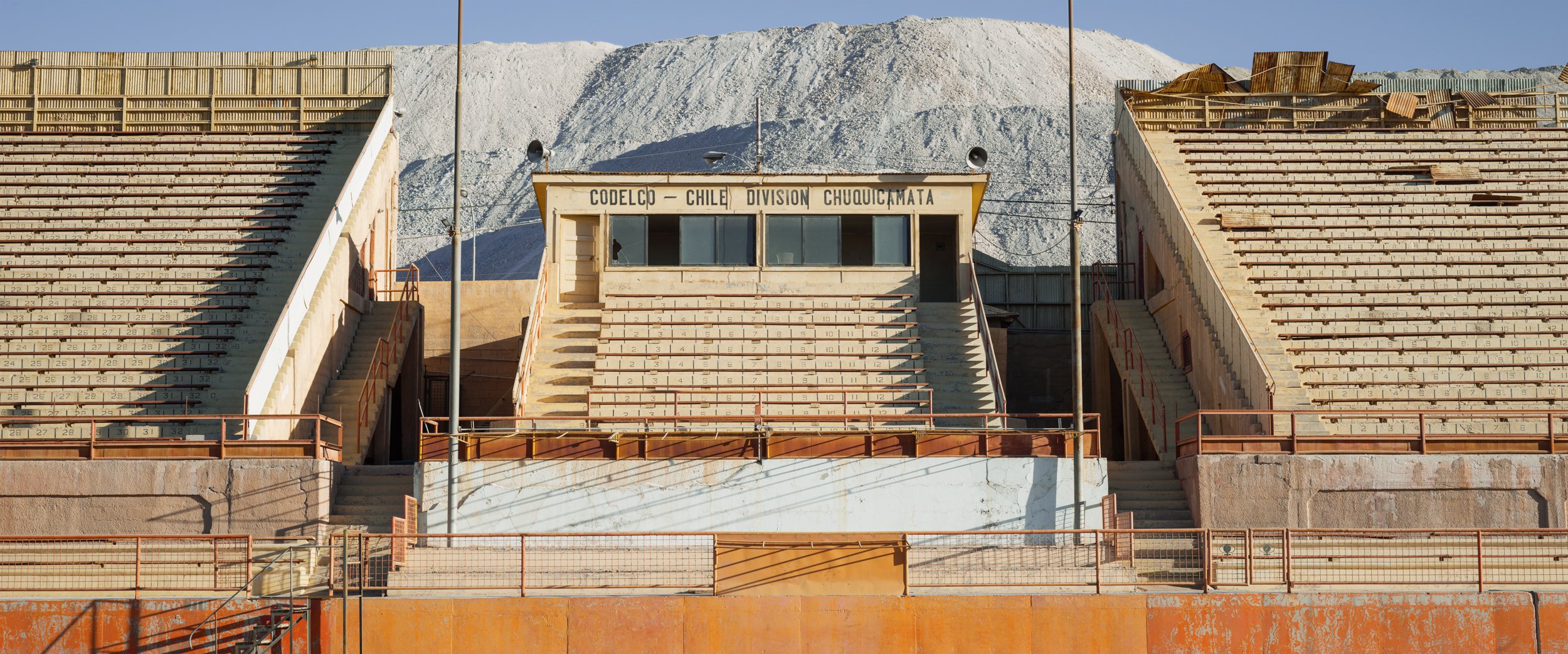
Critical Minerals – Geography of Energy, published in NRC. The project is my latest global investigation into the material foundations of the green transition.
Critical Minerals – Geography of Energy, published in The Economist’s 1843 Magazine. The project is my latest global investigation into the material foundations of the green transition. From South America to Southeast Asia and Central Africa, the project documents the extraction and geopolitics behind lithium, cobalt, nickel, and other minerals essential to the clean-energy revolution. Through photography and field reporting, the work reveals the environmental, political, and ethical tensions driving a new global gold rush.
Imagine a liquid fuel made not from oil, but from sunlight, air, and water. In a landmark scientific journey, researchers at ETH Zurich have developed a synthetic, carbon-neutral fuel that mimics photosynthesis—turning solar energy into liquid hydrocarbons.
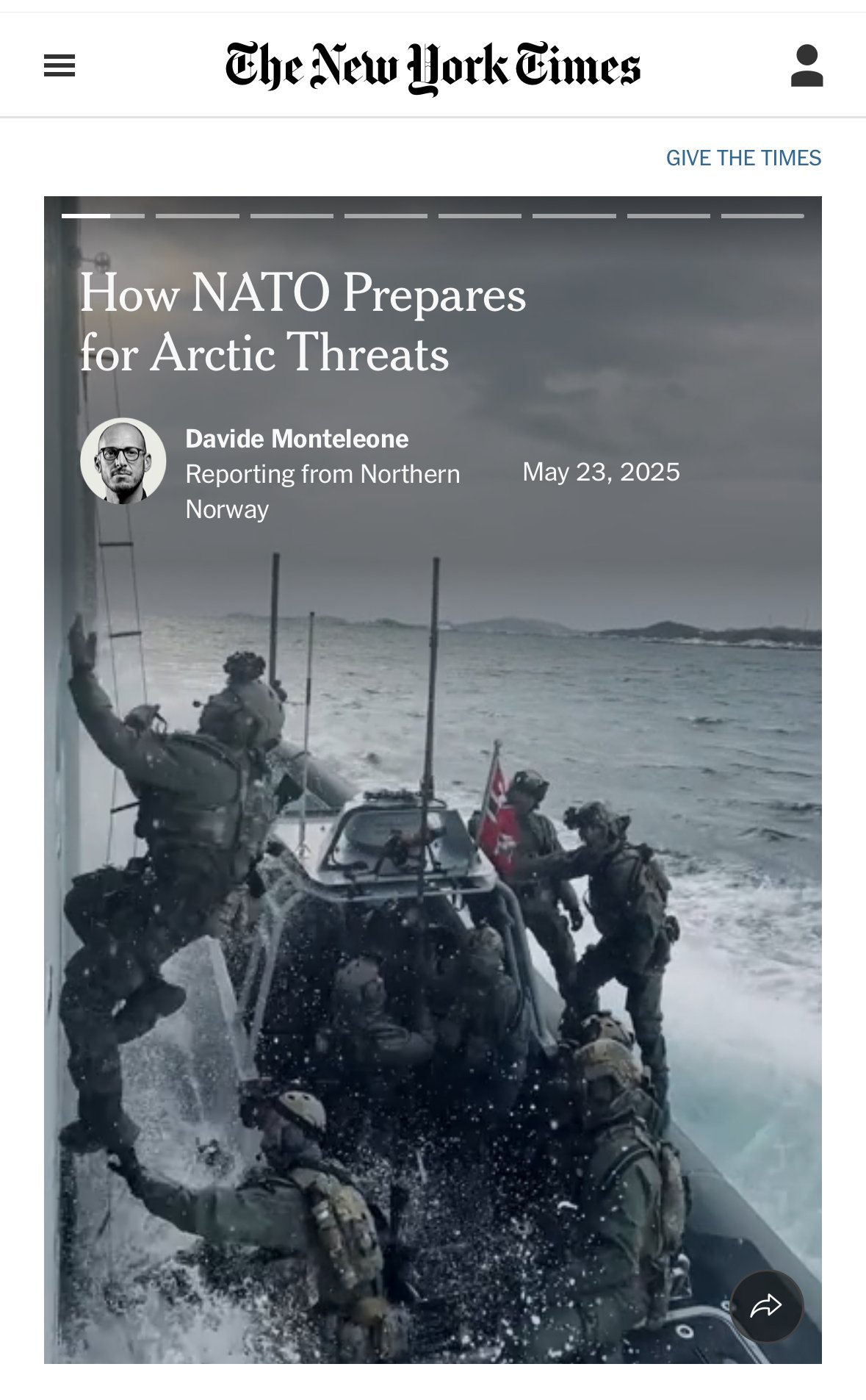
In a new cover story for TIME Magazine, I followed the production line of Worldcoin’s Orb, a device designed to prove our humanity in an era of advanced AI. The article explores the tensions between privacy, identity, and digital life as Tools for Humanity races to verify millions through iris scans. I documented the project across continents—from cautious optimism in Seoul to the Orb’s high-stakes launch in the U.S.—highlighting the uneasy balance between innovation and control. Read More.
“Le photographe Davide Monteleone a parcouru le monde pour documenter l'exploitation des terres rares, ces métaux clés pour le développement de technologies de pointe et la transition écologique, devenus objets de toutes les convoitises”
“De l’extraction du lithium chilien à celle du nickel d’Indonésie en passant par le cobalt congolais, le photographe Davide Monteleone explore les sites dans lesquels les industries de la tech viennent puiser les ressources indispensables à la transition énergétique.”
Excited to share that I’ve been interviewed in the latest issue of Tutti Fotografi, where I talk about my work, my approach to reportage, and the evolution of my projects—from Critical Minerals to Dusha.
Thrilled to announce that my project Critical Minerals: The Geography of Energy is featured in a 24-page publication in the latest issue of GEO Germany!