

"Critical Minerals – Geography of Energy" is a collaborative multi-chapter project encompassing still images, a documentary film, and an immersive art installation. This endeavour explores the profound transformation in the global energy landscape—the shift towards renewable energy sources. The project delves into the intricate geopolitical, social, and environmental implications of the exponential demand for minerals necessary to achieve renewable energy goals.
Our world is grappling with a shared challenge—the climate crisis—predominantly rooted in our energy consumption. Energy constitutes over two-thirds of global greenhouse gas emissions, demanding it is at the heart of any viable solution. As nations worldwide strive to redefine their relationship with energy production and consumption, the pressing questions arise: How fairly? How swiftly? Achieving a greener future necessitates abundant clean-energy technologies, ranging from solar panels and wind turbines to electric vehicles and large-scale batteries. This surge in demand, in turn, creates an urgent need for various minerals and metals, both familiar and lesser-known, which underpin these technologies.
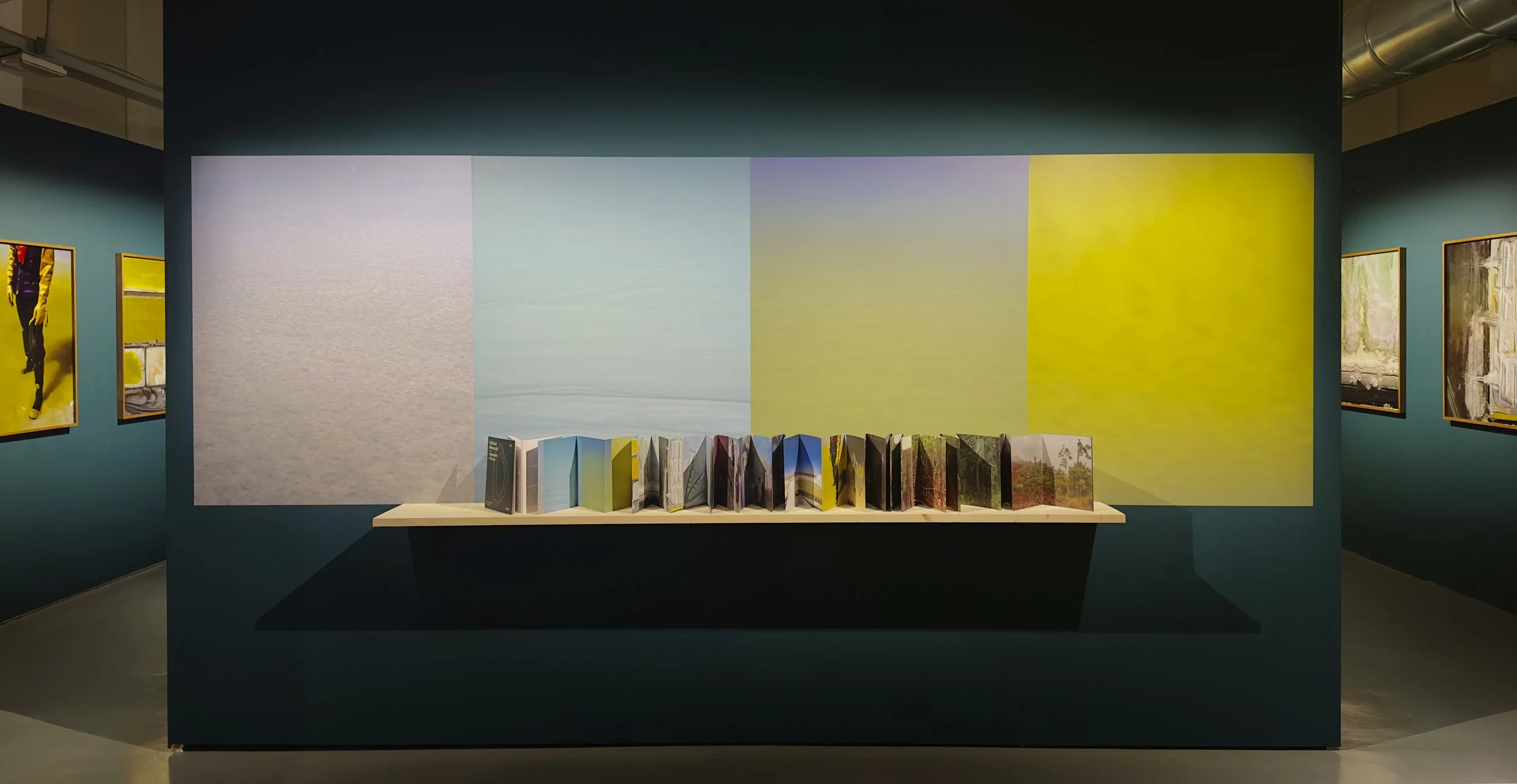


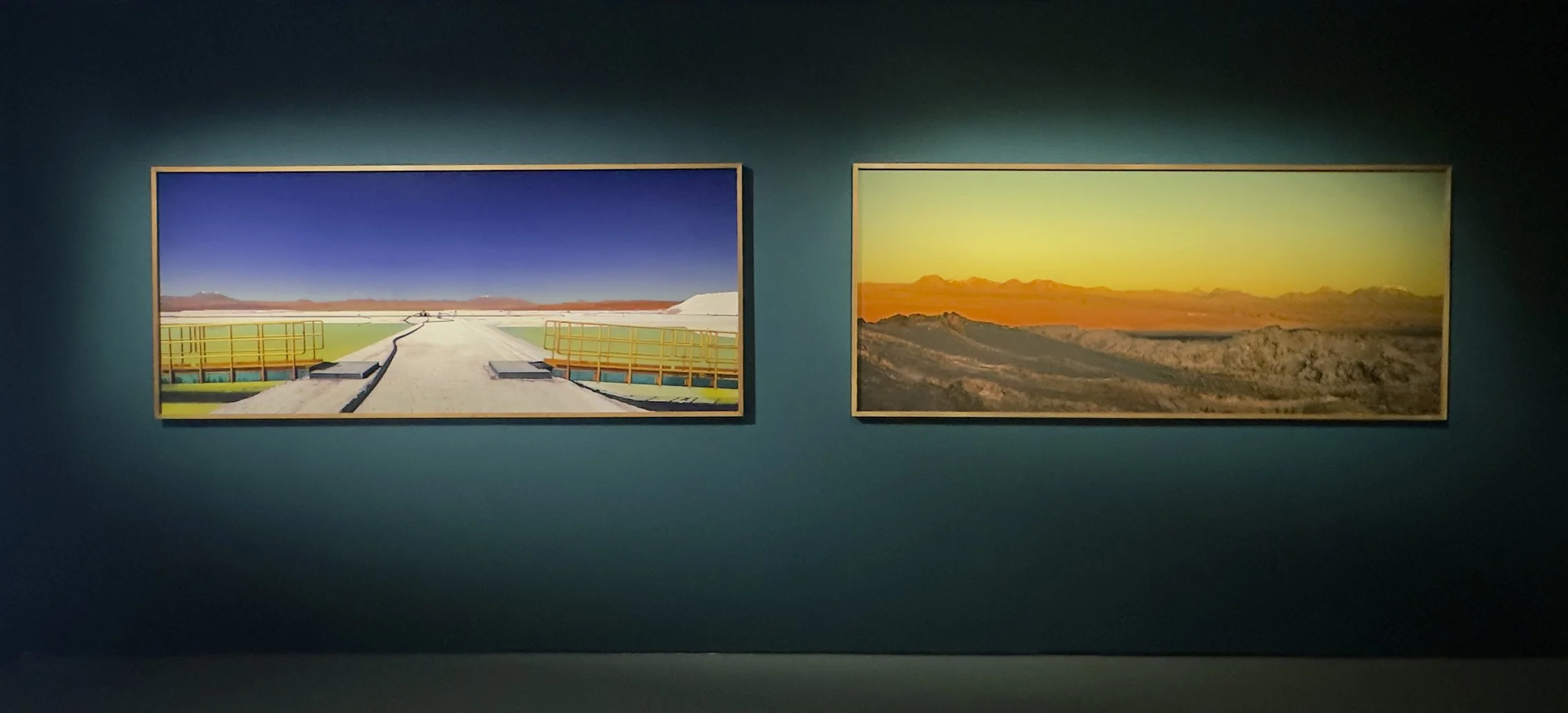


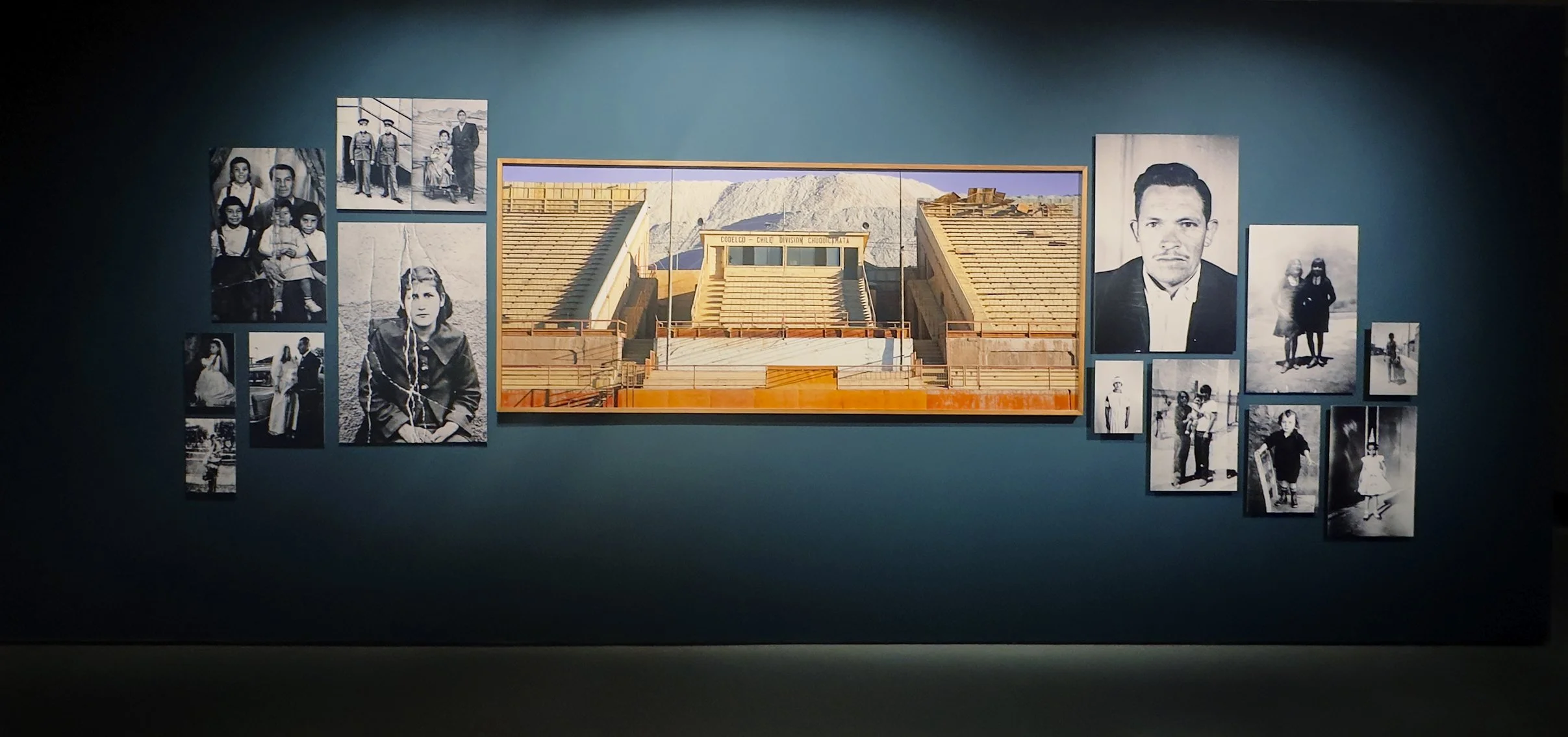


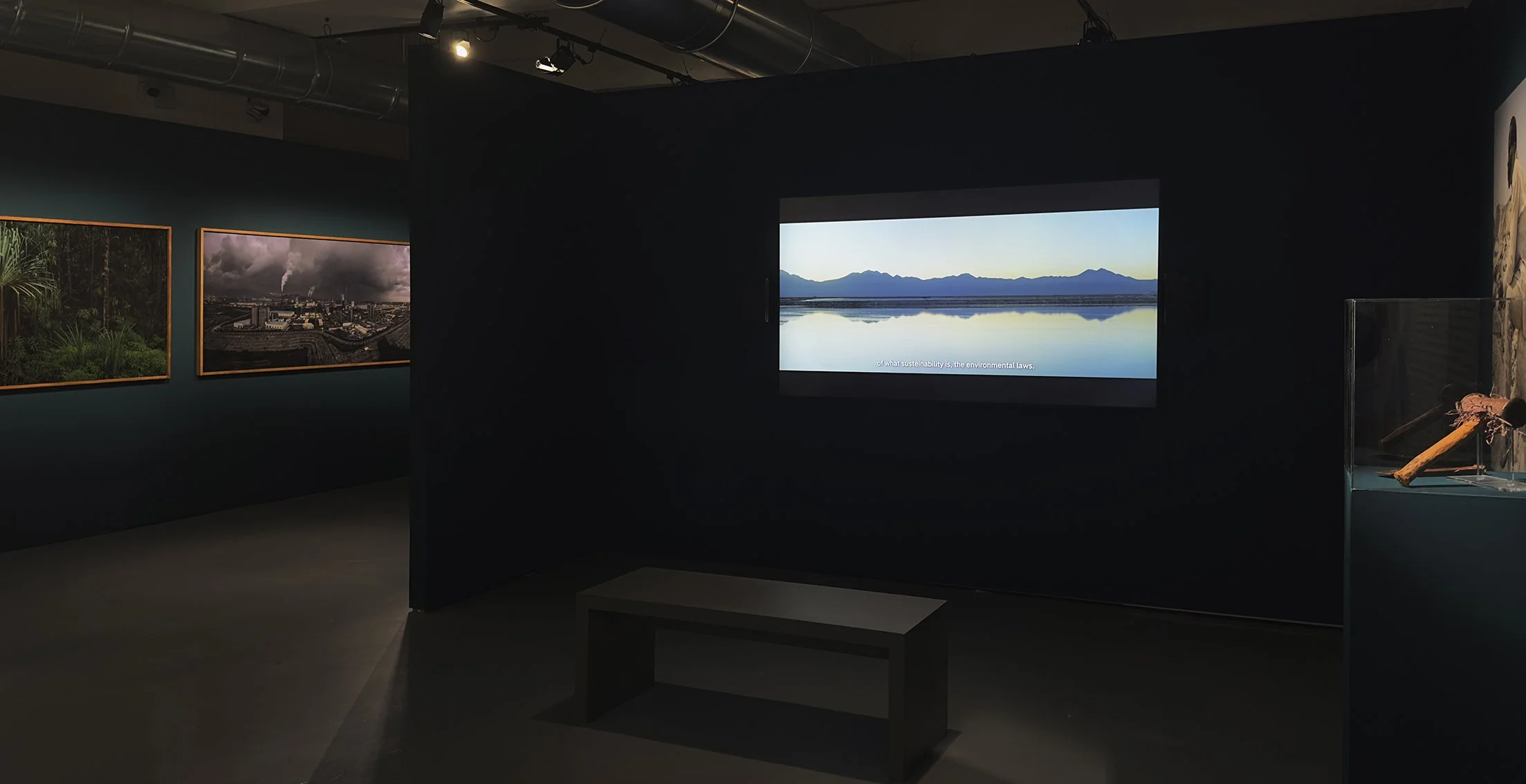

Book

Short Doc

Story Map




Concept and Production
Studio Davide Monteleone
Director
Davide Monteleone
Video and Footage
Muhammad Fadli, Davide Monteleone, Manuel Montesano, Guerchom Ndebo, Cristóbal Olivares
Editing Video
Manuel Montesano
Recording audio and Foley artist
Manuel Montesano
Sound Design and Supervision
Matteo Pastorello
Music by
Simone Faraci, Mattia Loris Siboni
Soundtrack courtesy of
Slowth Record “Vox Aeterna” (c) 2021,“Apparatus [songmachine]” (c) 2021, “Kjinu” (c) 2023 by Simone Faraci “Duntra” (c) 2018 remastered (c) 2024 by Mattia Loris Siboni
Executive Production
Samantha Azzani
Book Design
Hannah Feldmeier
Data Design
Valentina D’Efilippo
Mapping support
Lydia Troup, Sam Guilford, Ross Donihue, Martin Gamache, Salim Sawaya
Project supported by
The National Geographic Society, The Climate Pledge, Sony, ESRI
In the heart of Sulawesi, Indonesia, I found myself capturing the lush beauty of the forest through my lens. Umar suggested avoiding the denser areas as I stepped deeper into the jungle. “There may be snakes,” he warned. Stories of reticulated pythons eating cows and even humans had circulated, much to my surprise. I had always considered the python a slow creature, and I couldn’t imagine being attacked by one of them. On the contrary, I wondered how it might survive with less and less forest to roam. Of course, I hadn’t seen any pythons myself.