
The April theses (2017)
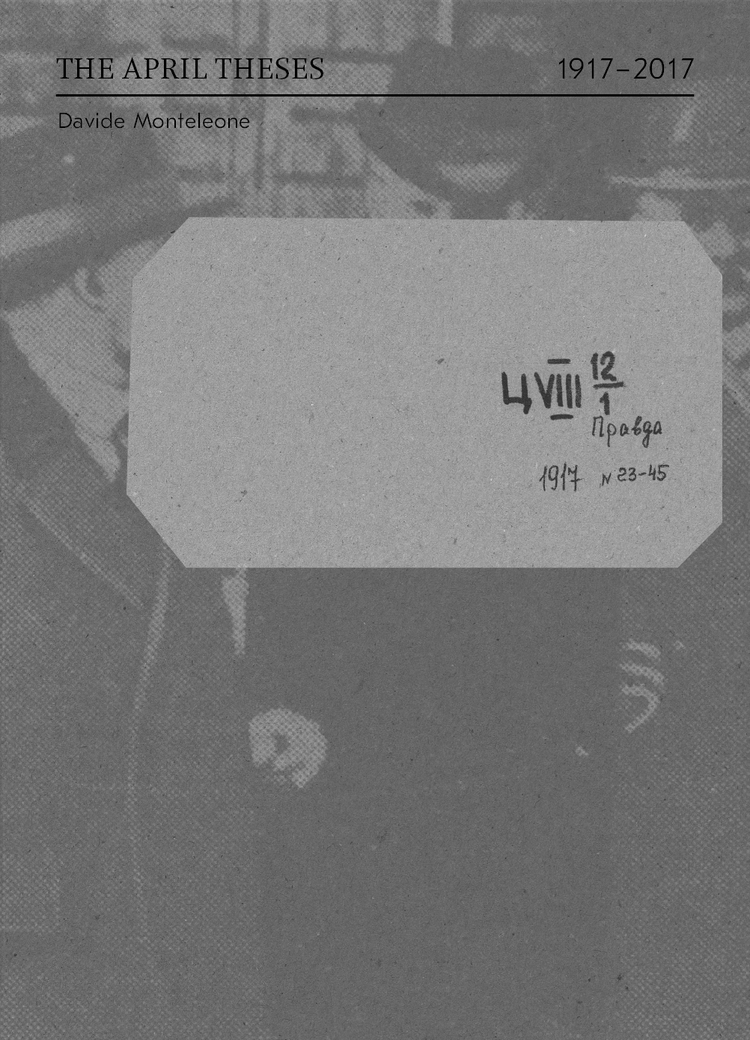
In March 1917, Vladimir Ilych Ulyanov (Lenin), leader of the revolutionary Bolshevik Party, left his exile in Zurich. Eight months later, he assumed the leadership of 160 million people occupying one-sixth of the world’s inhabited surface. On April 9th, with the support of German authorities, at war with Russia at the time, he travelled back to his own country on a train across Germany, Sweden and Finland to reach Finland Station in Saint Petersburg on April 16th where, after a decade in exile, he took the reins of the Russian Revolution. One month before, Czar Nicholas II had been forced from power when Russian army troops joined a workers’ revolt in Petrograd, the Russian capital. In a bullet point document, known as The April Theses, Lenin called for the overthrow of the Provisional Government and outlines the strategy that, within seven months, will lead to the October Revolution and bring the Bolsheviks to power. 100 years later, Davide Monteleone created a chronology of two weeks of Lenin's life just before the events that changed Russia and the entire world. In search of the original draft of “The April Theses”, Monteleone recreated and sometimes reenacted, on a real and non-invented trip, Lenin’s epic journey inspired by the archival documents he found at the R.G.A.S.P.I. (Russian State Archive of Soviet Political History) and historical books including “To Finland Station” by Edmund Wilson and “The Sealed Train” by Michael Pearson. The final work is a collection of contemporary landscapes, forensic archival photographs and staged self-portraits, which retrace a journey through space and time.
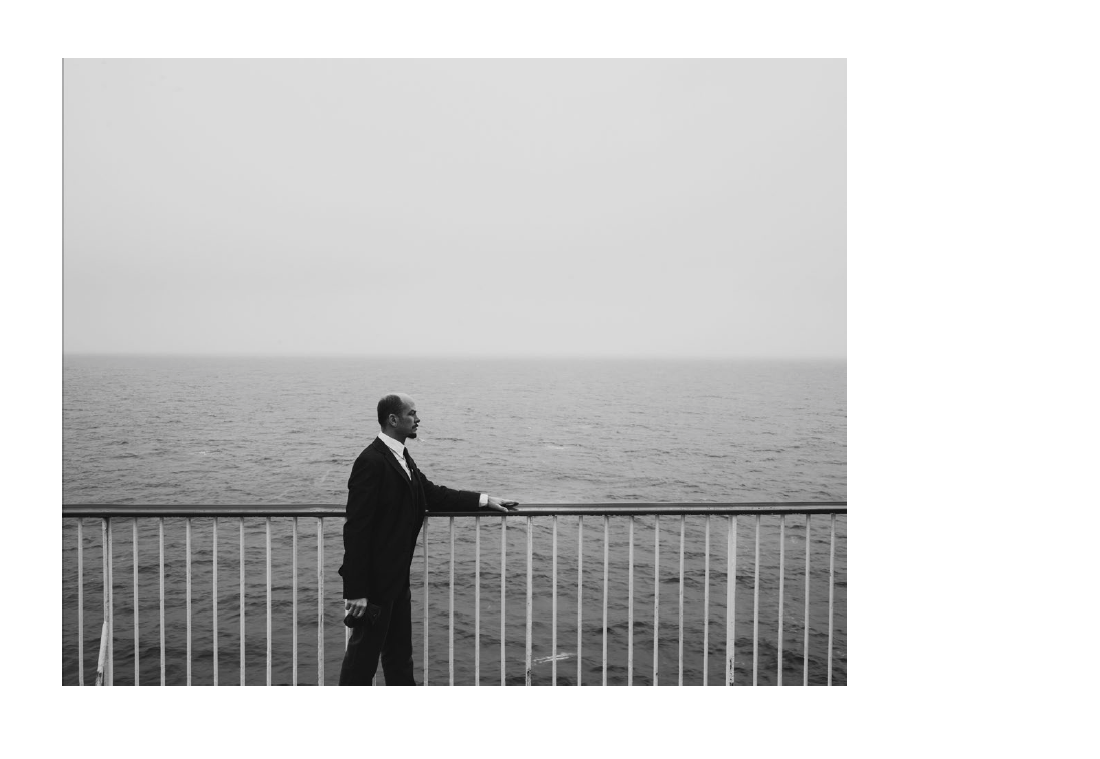
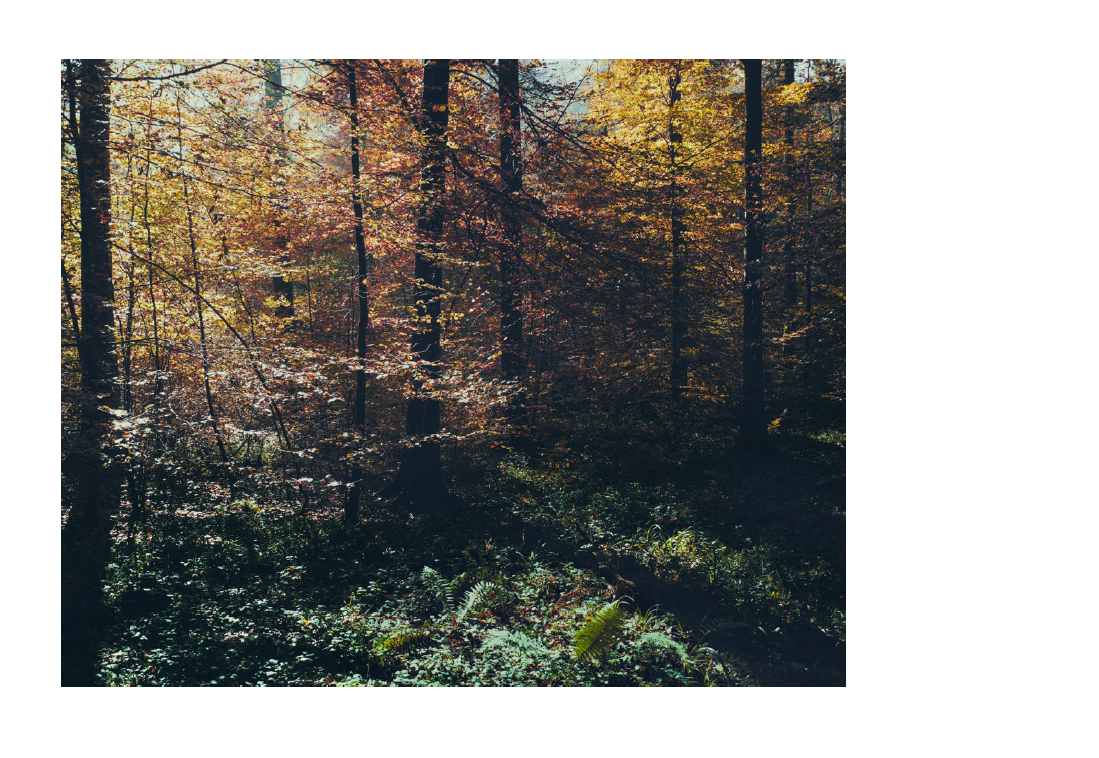
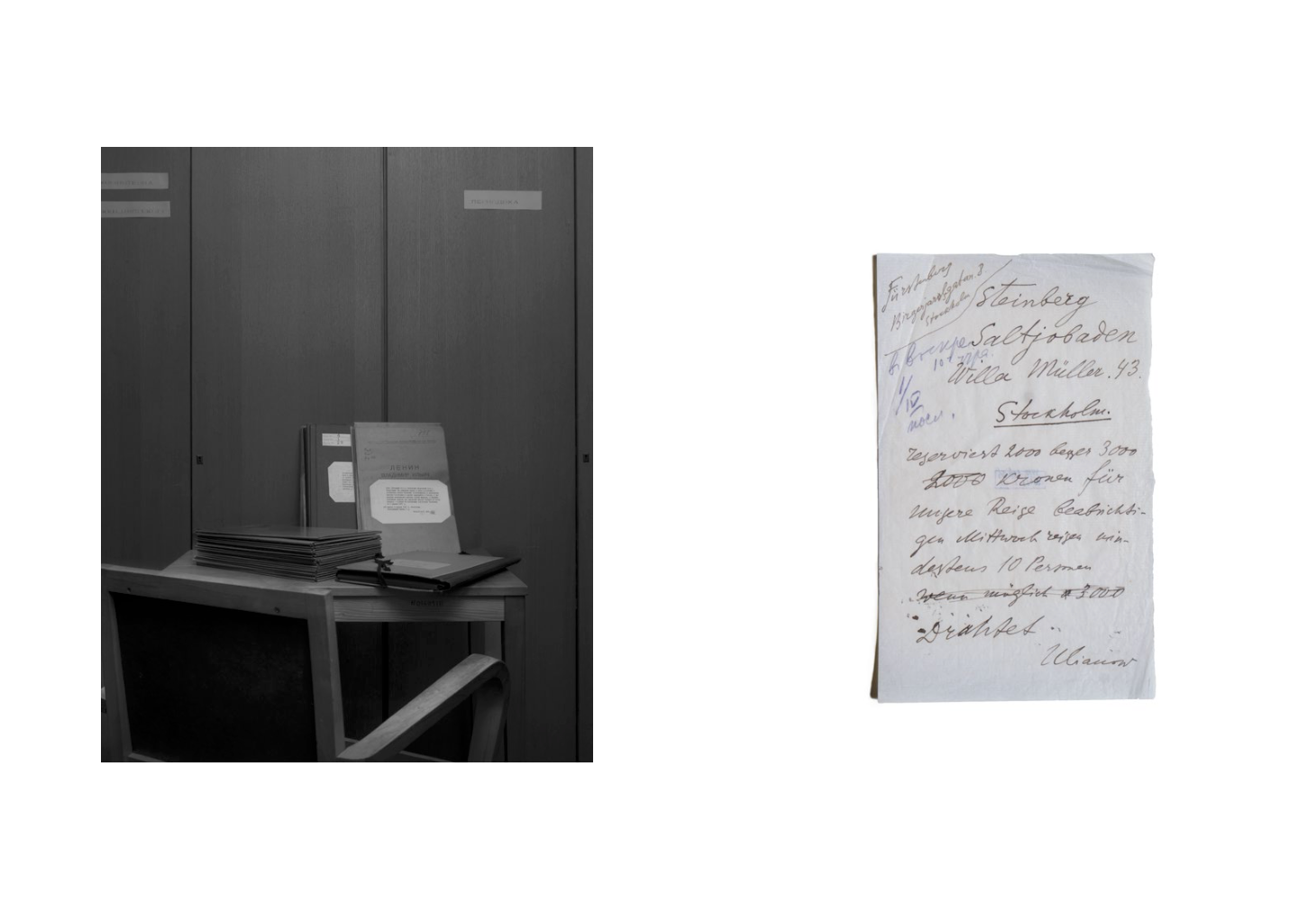
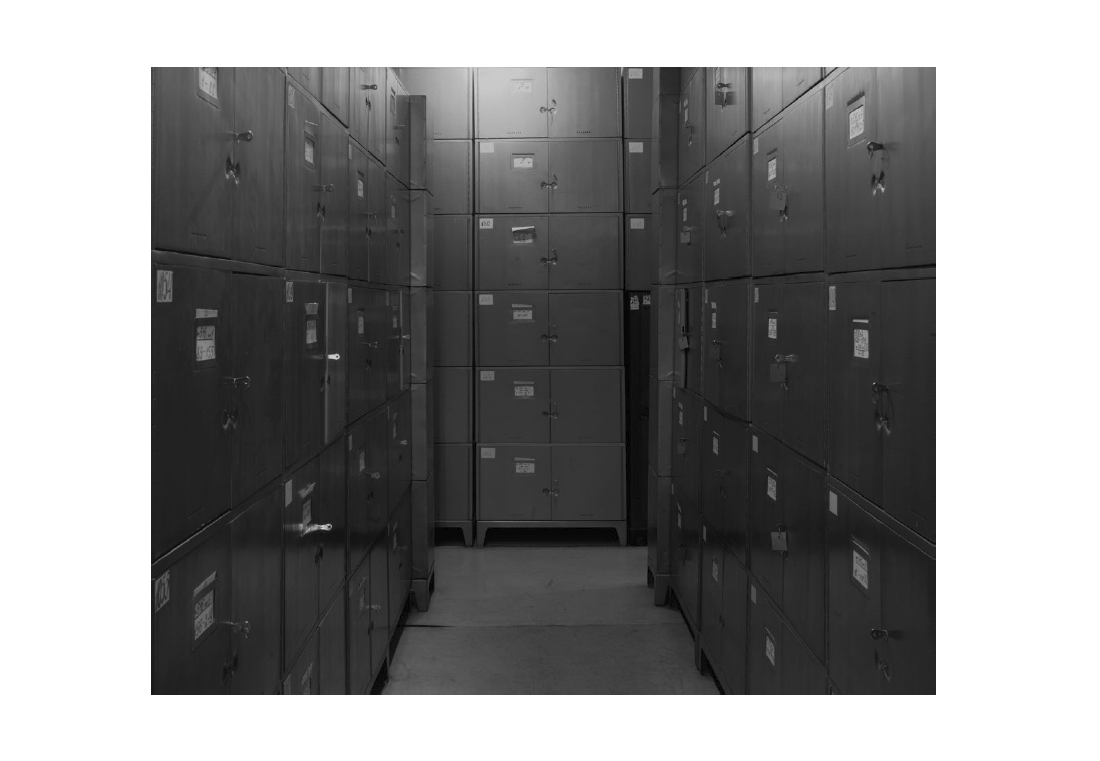
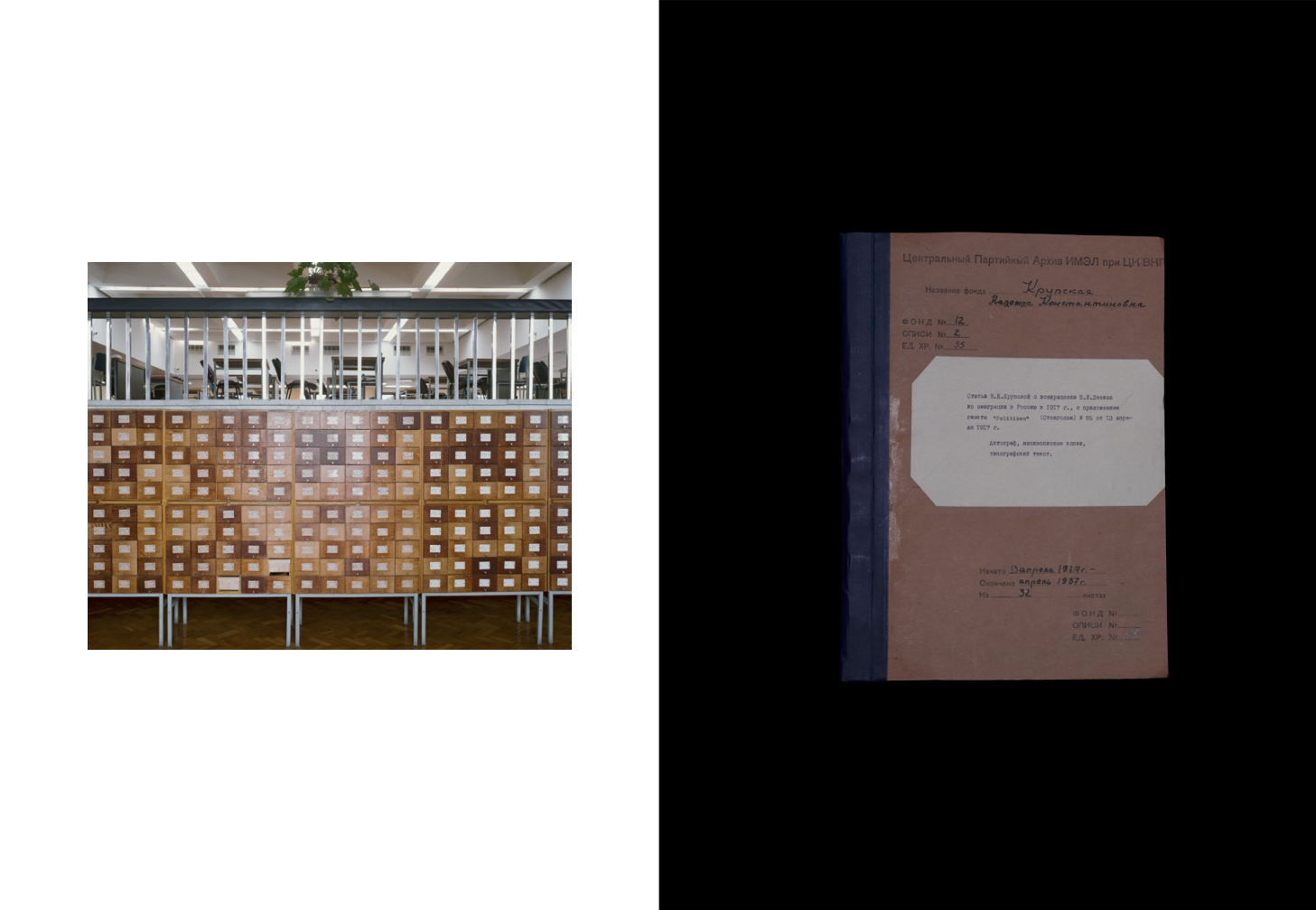
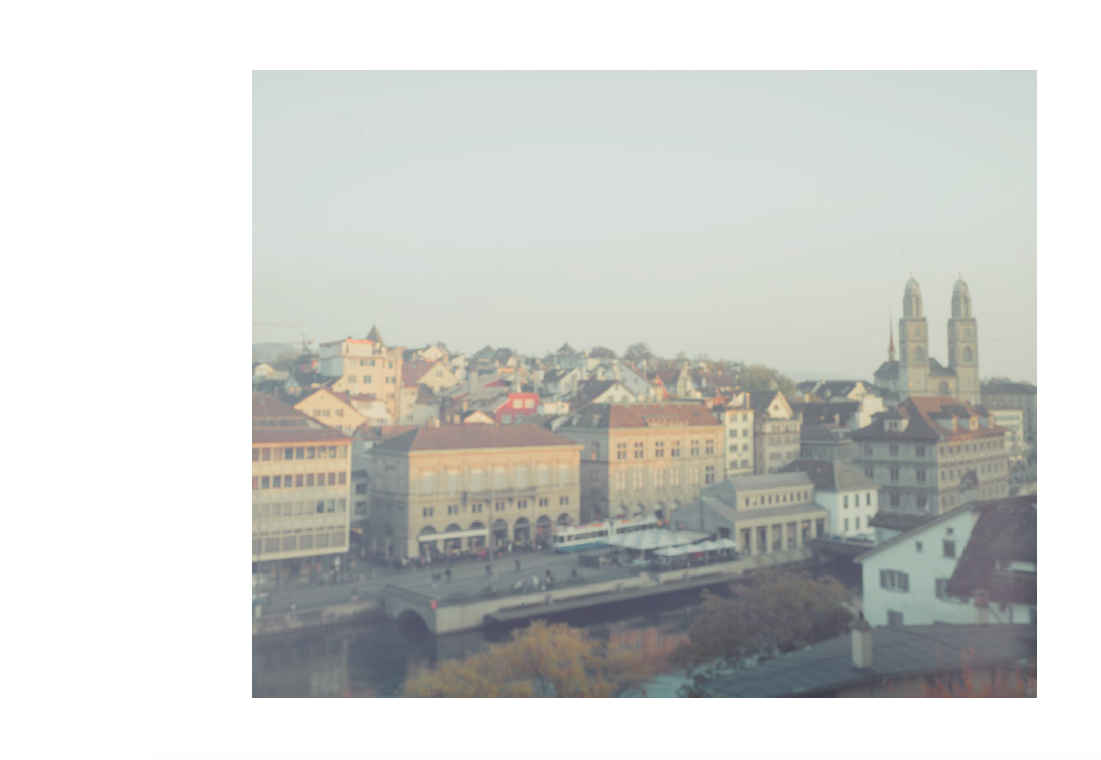
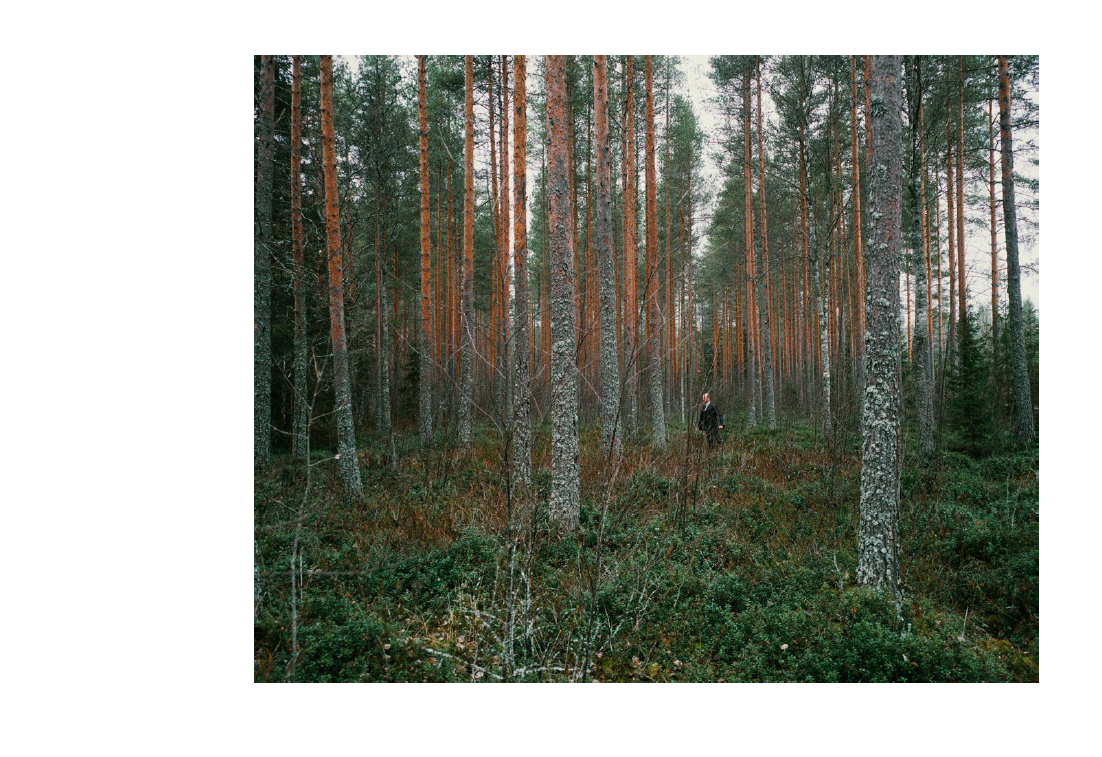
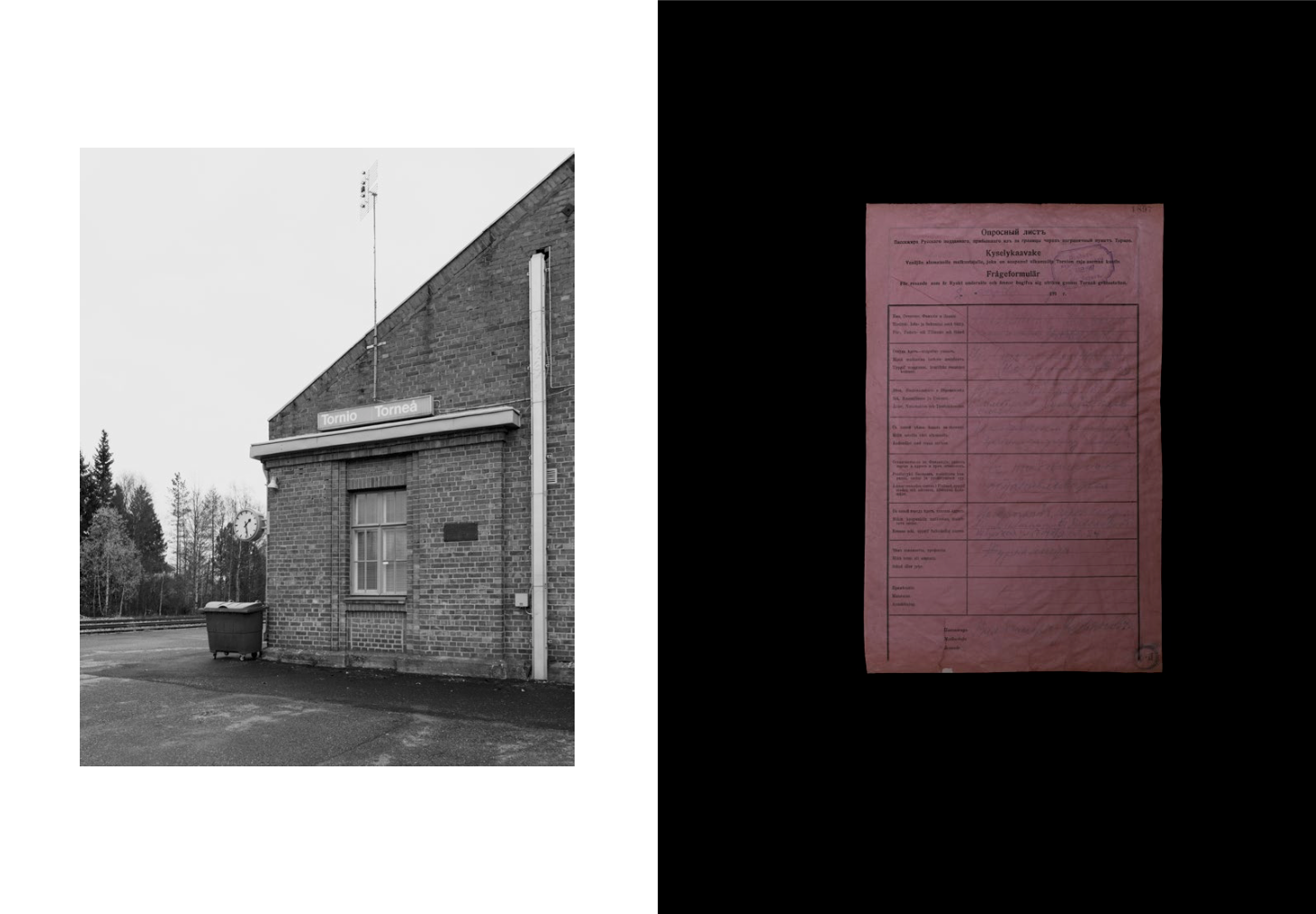
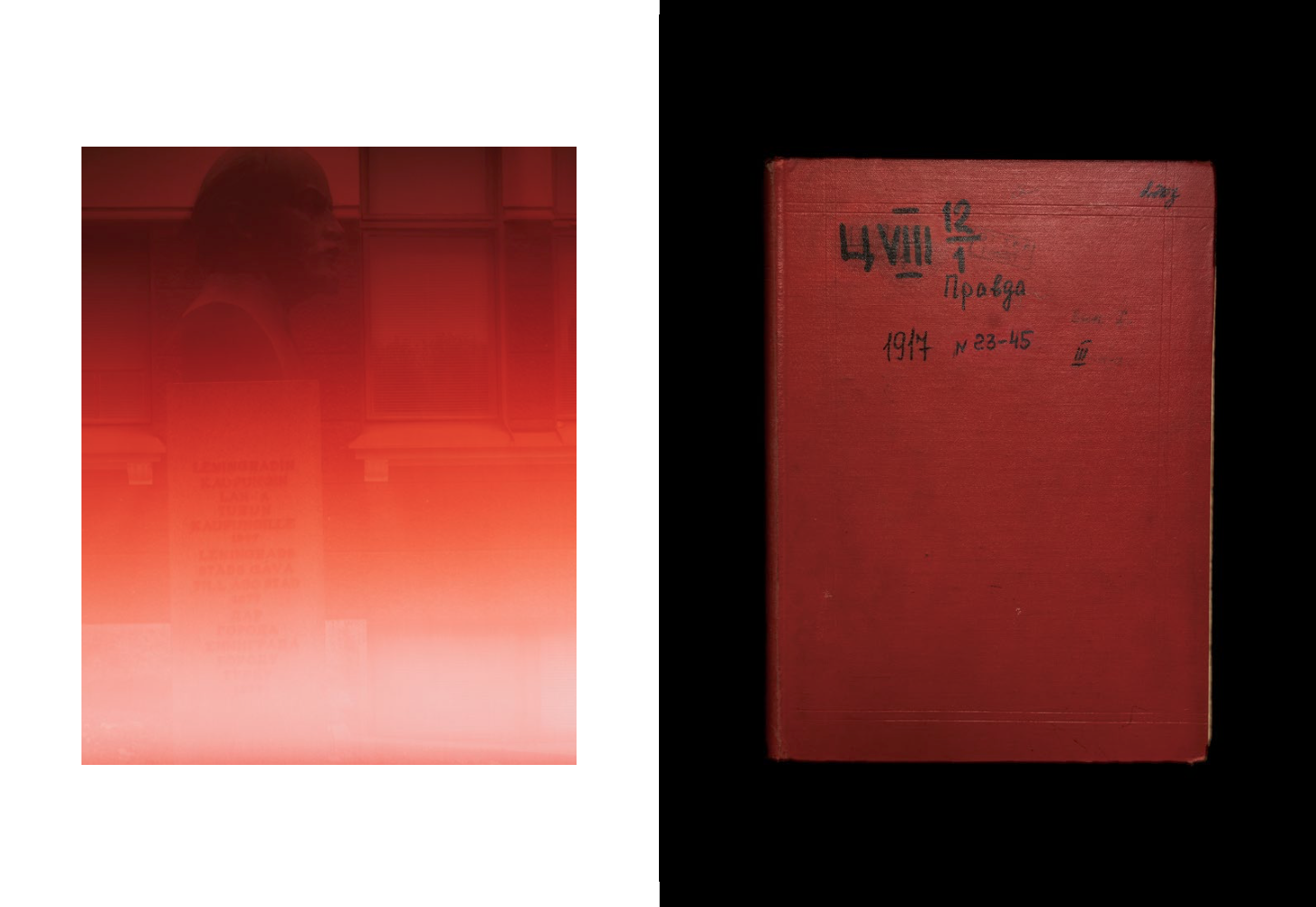
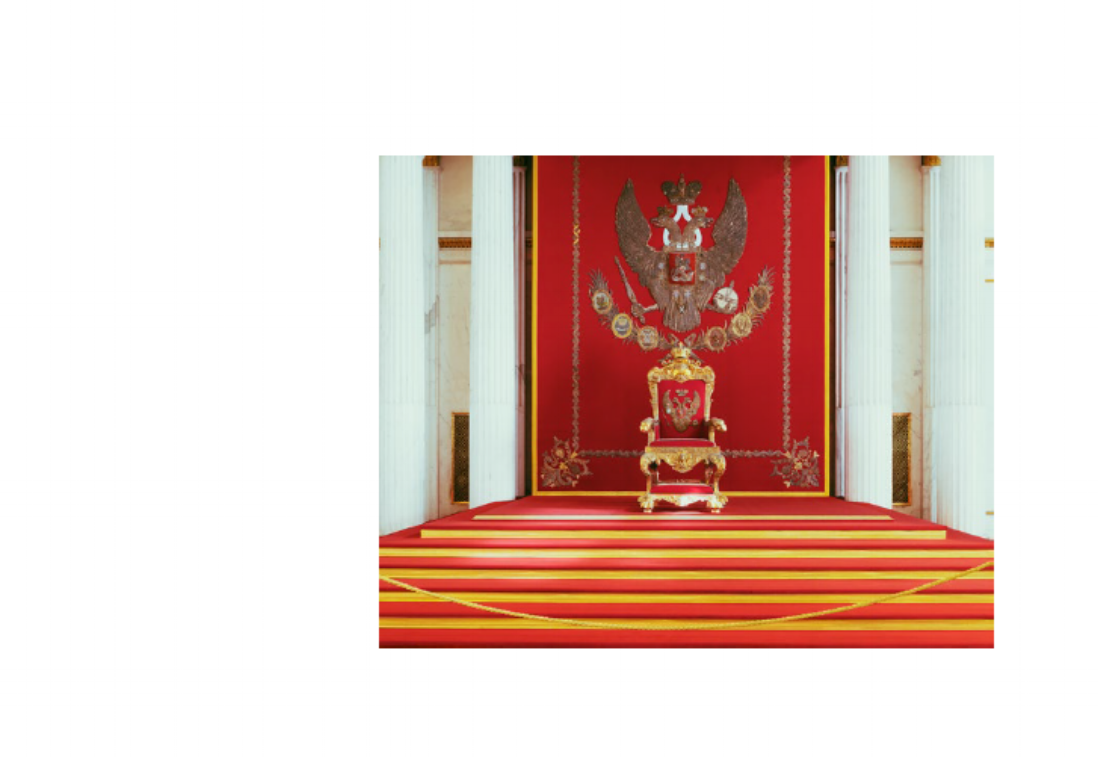
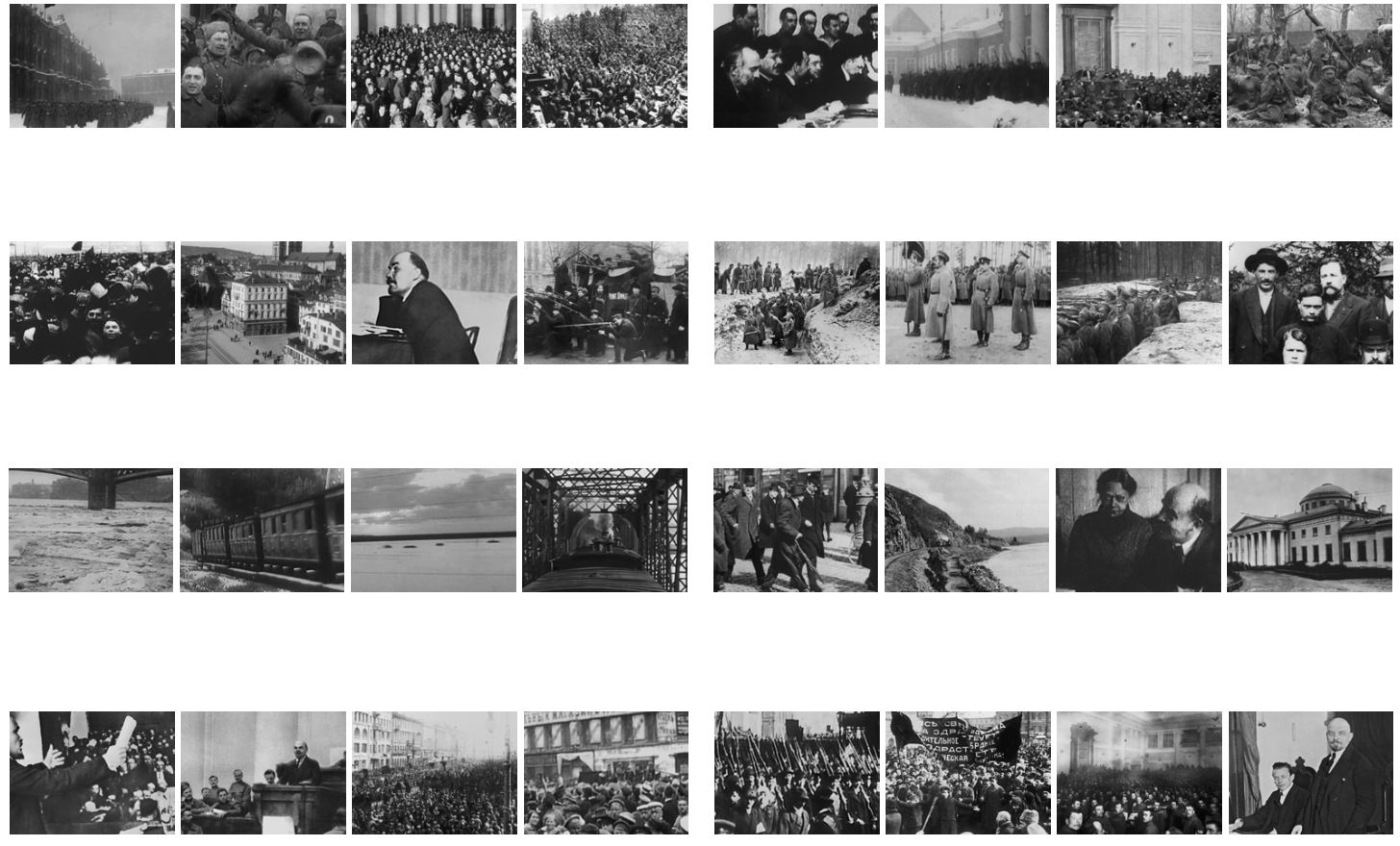
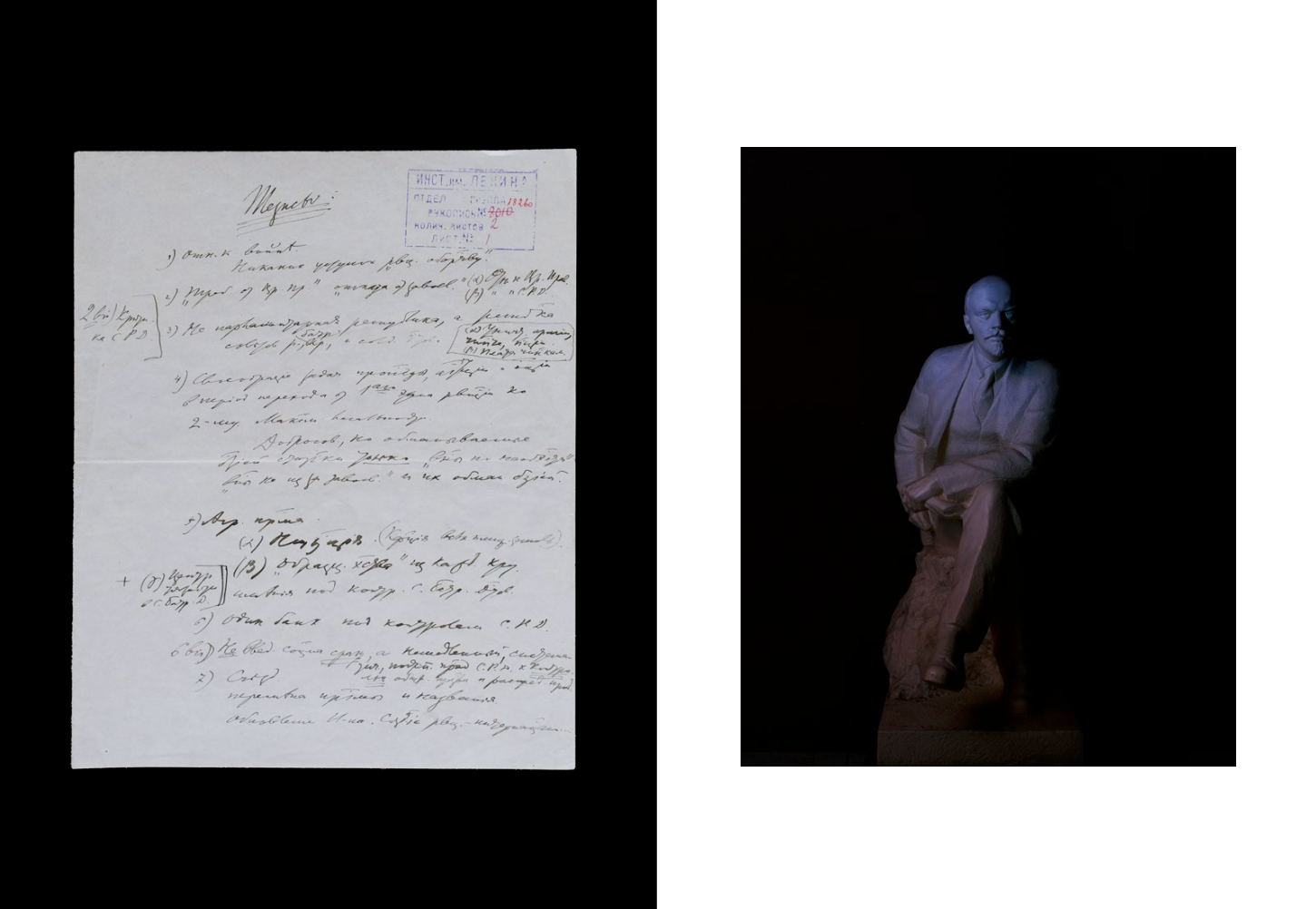

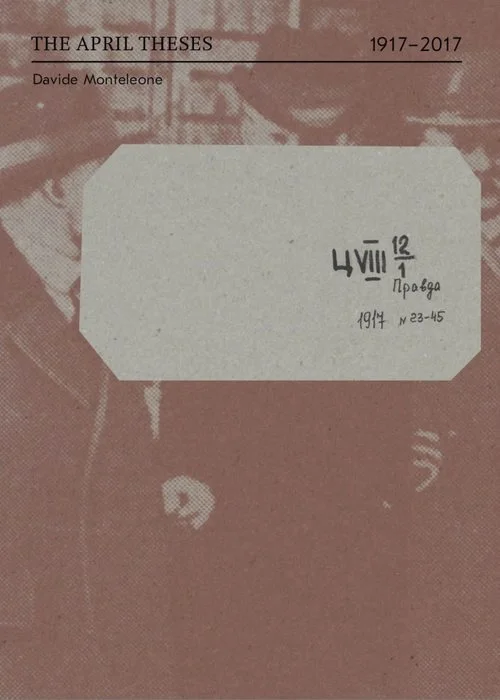


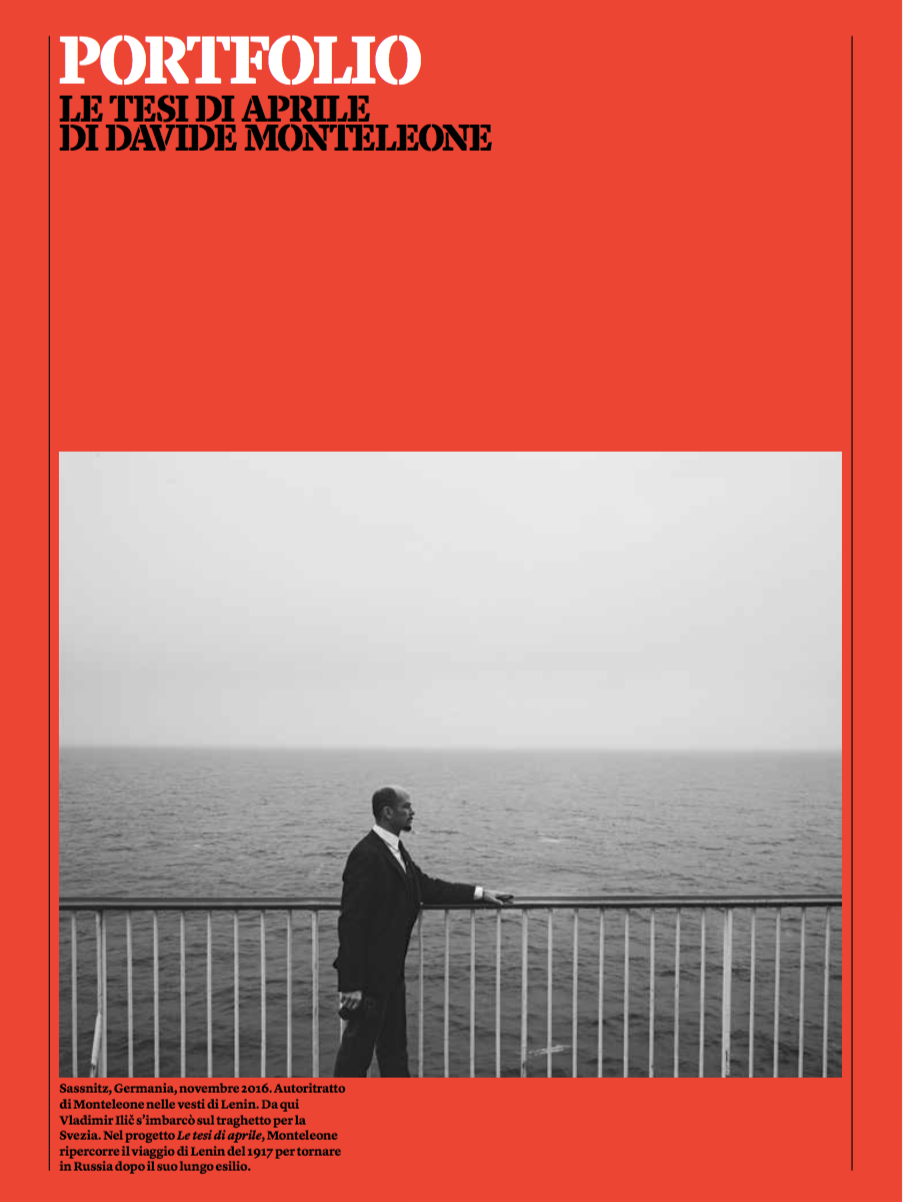


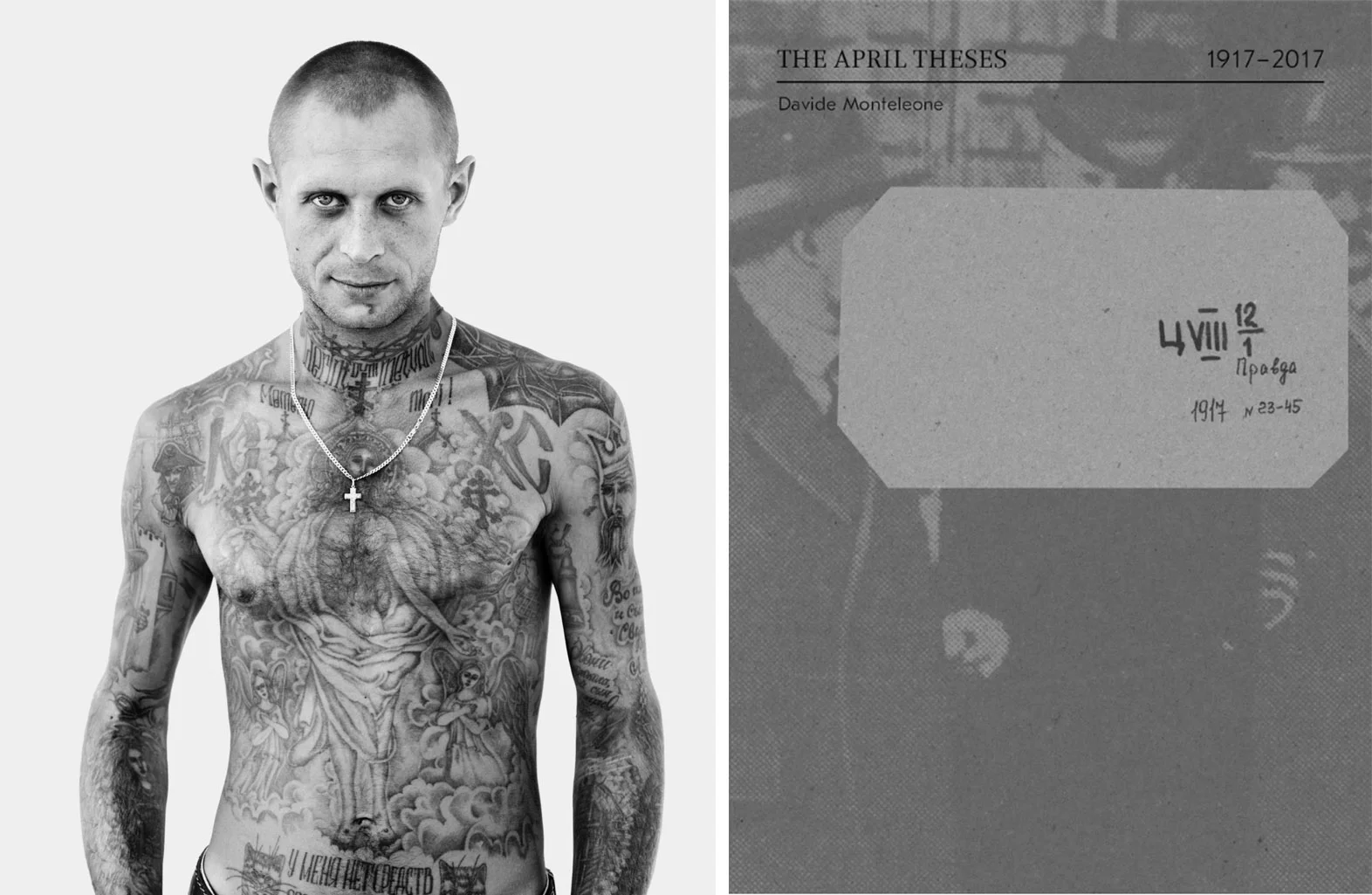


"In March 1917, Vladimir Ilych Ulyanov (Lenin), leader of the revolutionary Bolshevik Party left his exile in Zurich. Eight months later, he assumed the leadership of 160 million people occupying one-sixth of the world’s inhabited surface. On April 9th 1917, with the support of German authorities, at war with Russia at the time, he travelled back to his own country on a train across Germany, Sweden and Finland to reach Finland Station in St. Petersburg on April 16th where, after a decade in exile, he took the reins of the Russian Revolution. One month before, Czar Nicholas II had been forced from power when Russian army troops joined a workers’ revolt in Petrograd, the Russian capital. In a bullet point document, known as "The April Theses", Lenin called for the overthrow of the Provisional Government and outlines the strategy which, within seven months, will lead to the October Revolution and bring the Bolsheviks to power. 100 year later, I created a chronology of two weeks of Lenin's life just before the events that changed Russia and the entire world. In search of the original draft of “The April Theses”, I recreated and sometimes reenacted, on a real non-invented trip, Lenin’s epic journey inspired by the archival documents I found at the R.G.A.S.P.I. (Russian State Archive of Soviet Political History) and historical books including “To Finland Station” by Edmund Wilson and “The Sealed Train” by Michael Pearson. The final work is a collection of contemporary landscapes, forensic archival photographs and staged self-portraits which retrace a journey in space and time."